Top 10 Rare Coins of 2026: Collector’s Guide to History and Hidden Value
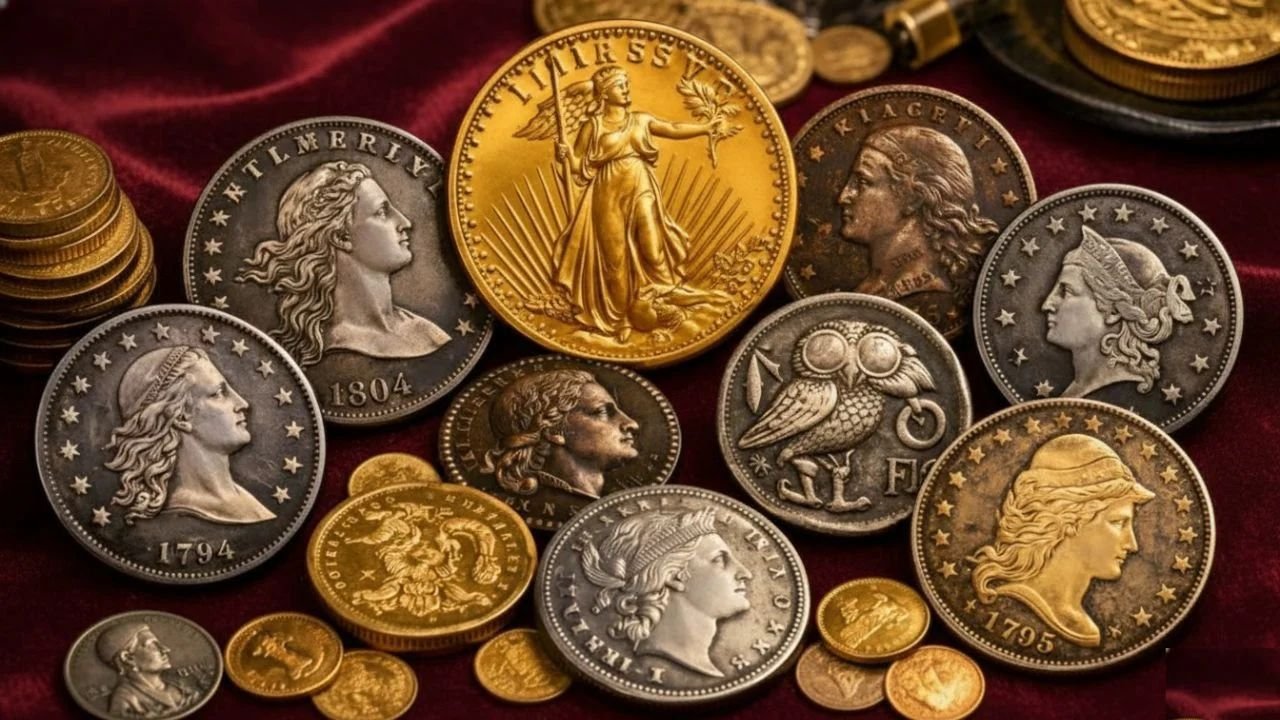
Rare coins aren’t just currency—they’re fragments of history, art, and culture captured in metal. In 2026, numismatics continues to attract enthusiasts worldwide, blending passion for preservation with investment potential. From gold doubloons to elusive nickels, each rare coin tells a story that goes far beyond its face value. This guide highlights ten of the most sought-after coins today, revealing what makes them extraordinary for collectors and investors alike.
Why Collect Rare Coins?
Collecting rare coins is more than chasing monetary gain. Each piece represents:
- History: Events, eras, and personalities frozen in time.
- Artistry: Unique designs, engravings, and minting techniques.
- Scarcity: Limited mintage or surviving specimens increase value.
- Legacy: Coins act as a tangible link to past generations.
Top 10 Rare Coins of 2026
Here’s a closer look at some of the most valuable and historic coins:
1. 1933 Double Eagle – The Great Depression Gold
- Origin: Philadelphia, 1933
- Surviving Specimens: ~13–15
- Why It’s Valuable: Never officially circulated due to the gold standard repeal; steeped in legal intrigue and rarity.
2. 1794 Flowing Hair Dollar – America’s First Silver Dollar
- Origin: Philadelphia, 1794
- Surviving Specimens: ~130–140
- Value Drivers: First U.S. silver dollar, early American artistry, high historical significance.
3. 1913 Liberty Head Nickel – A Mysterious Minting
- Origin: Philadelphia, 1913
- Surviving Specimens: 5
- Value Drivers: Extremely rare, shrouded in mystery, and each has a storied provenance.
4. 1894-S Barber Dime – The Enigmatic Few
- Origin: San Francisco, 1894
- Surviving Specimens: Fewer than 10
- Value Drivers: Tiny mintage, historical intrigue, and extreme scarcity.
5. Brasher Doubloon – Goldsmith’s Legacy
- Origin: New York, 1787
- Surviving Specimens: ~7
- Value Drivers: Early private U.S. gold coinage, marked by Ephraim Brasher, pre-Mint era history.
6. 1343 Edward III Florin – Medieval Rarity
- Origin: London, England
- Surviving Specimens: 3 (gold)
- Value Drivers: One of England’s first gold coins, extreme age, historic significance.
7. 1804 Draped Bust Dollar – “King of Coins”
- Origin: Philadelphia, 1830s (dated 1804)
- Surviving Specimens: 15 (Class I)
- Value Drivers: Struck as diplomatic gifts, not circulation coins; iconic rarity.
8. 1776–1976 Bicentennial Quarter – Historical Commemoration
- Origin: United States
- Value Drivers: Commemorates 200th anniversary of Independence; 40% silver proof versions and error coins are highly prized.
9. Lincoln Wheat Penny – The Rarest Examples
- Origin: Early 20th century
- Value Drivers: Specific years and mint errors have sold for millions; a classic hidden treasure.
10. Kennedy Half Dollar – Modern Collectible
- Origin: U.S., post-1964
- Value Drivers: Proof versions, limited mintages, and special editions attract high collector interest.
How to Spot a Valuable Coin
- Check Mint Marks: Identify location of minting (D, S, none).
- Look for Errors: Doubled dies, off-center strikes, and wrong planchets can dramatically increase value.
- Assess Condition: Coins in uncirculated or proof condition (MS-67 or higher) command the highest prices.
- Authentication: Use professional grading services like PCGS or NGC to verify value and authenticity.
FAQs About Rare Coins
Q1: What makes a coin “rare”?
A: Low mintage, historical significance, surviving specimens, and sometimes errors make a coin rare.
Q2: Are rare coins a good investment in 2026?
A: Some appreciate in value, but collecting should first be driven by passion and historical interest, not just profit.
Q3: Where can I safely buy rare coins?
A: Use reputable dealers, accredited auction houses, and verified numismatic associations with proper certification.
Q4: How do I know if my coin is valuable?
A: Check mint marks, dates, composition, and errors. Avoid cleaning coins, as it can reduce value.
Q5: What does “grade” mean for coins?
A: Grade refers to condition, ranging from heavily worn (Poor) to perfect mint state (MS-70). Even small differences in grade can significantly impact value.
Final Thoughts
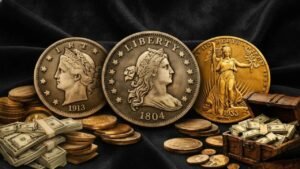
Rare coins are more than investment assets—they’re pieces of history you can hold in your hand. From pre-Mint gold doubloons to enigmatic nickels and silver dollars, these coins tell stories of artistry, economics, and legacy. Whether you’re collecting for passion, education, or potential profit, understanding what makes each coin unique will deepen your appreciation and help you spot true treasures in the world of numismatics.