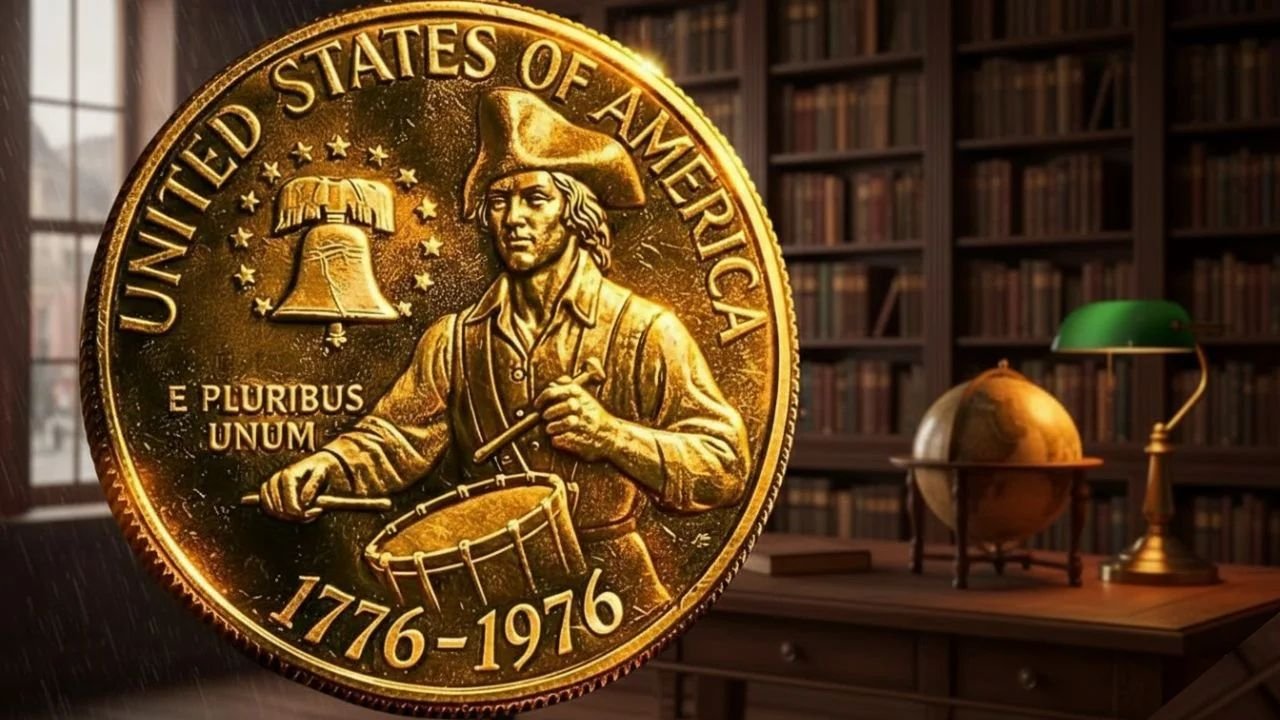
The 1776–1976 Bicentennial Quarter is more than just spare change—it’s a collectible piece of American history. Minted to celebrate the 200th anniversary of the Declaration of Independence, millions were produced, but some hold special value that can surprise even casual coin holders. Whether you’re a collector or just curious about coins in circulation, understanding the history, types, and potential rarities of the Bicentennial Quarter can help you spot a hidden treasure.
Historical Background and Design
In 1975 and 1976, the United States Mint created a special coin series to honor the nation’s bicentennial. Key features of the Bicentennial Quarter include:
- Obverse (heads): George Washington portrait by John Flanagan, paired with the dual date 1776–1976.
- Reverse (tails): Designed by Jack L. Ahr, featuring a colonial drummer boy surrounded by thirteen stars, symbolizing the original colonies.
- Composition: Standard quarters were copper-nickel clad, while collector sets included 40% silver versions.
- Mint Marks: Philadelphia (no mark), Denver (D), and San Francisco (S).
These coins replaced the regular Washington quarter for circulation in 1975–1976 and remain iconic pieces of U.S. numismatic history.
Why Some Bicentennial Quarters Are Valuable
While most Bicentennial Quarters in circulation are worth face value (25 cents), certain factors can increase their worth:
- Silver Content: 40% silver coins are inherently more valuable.
- Condition: Uncirculated or proof coins command higher prices.
- Mint Marks: “S” mint quarters from San Francisco, often part of proof sets, are rarer.
- Errors: Coins with doubled dies, off-center strikes, or wrong planchets can fetch hundreds or thousands of dollars.
Bicentennial Quarter Quick Facts
| Feature | Details |
|---|---|
| Years of Issue | 1975–1976 (dual date 1776–1976) |
| Obverse | George Washington |
| Reverse | Colonial Drummer Boy |
| Standard Composition | Copper-nickel clad (75% Cu, 25% Ni) |
| Special Composition | 40% Silver (collector sets) |
| Mint Marks | Philadelphia (none), Denver (D), San Francisco (S) |
| Face Value | $0.25 |
| Where Found | Circulation (clad), Collector sets (silver) |
How to Identify a Valuable Coin
- Check the Design: Look for the dual date and drummer boy on the reverse.
- Look for Mint Marks: Check near Washington’s ponytail for D or S.
- Assess Condition: Coins with little wear or in proof sets are worth more.
- Silver Versions: Edges will show solid silver instead of copper stripes; they may feel slightly heavier.
Tips for Collectors
- Error Coins: Seek out doubled dies, off-center strikes, or wrong planchets.
- Professional Grading: Consider grading only for rare or high-grade coins (MS-67 or higher).
- Collector Sets: San Francisco proof coins and 40% silver uncirculated quarters are highly prized.
FAQs About 1776–1976 Bicentennial Quarters
1. Is every Bicentennial Quarter valuable?
No. Most are standard copper-nickel coins worth 25 cents. Value rises for silver, rare errors, or exceptional condition.
2. How can I tell if my quarter is silver?
Look at the coin’s edge: a solid silver color indicates 40% silver content. It will feel heavier and have a slightly darker tone.
3. What are the rarest types?
Error coins with doubled dies, off-center strikes, or coins from San Francisco proof sets are the most valuable.
4. Where were these coins minted?
Philadelphia (no mint mark), Denver (D), San Francisco (S). S-mint coins are often silver and part of proof sets.
5. Should I get my quarter graded?
Only if it is an error or in pristine condition; grading common circulated quarters usually costs more than the coin’s value.
Final Thoughts
The 1776–1976 Bicentennial Quarter isn’t just currency—it’s a piece of U.S. history. While most quarters are worth 25 cents, silver versions, proof sets, and error coins can be surprisingly valuable. Checking your coins carefully could reveal a hidden treasure in your pocket, connecting you to a memorable celebration of America’s 200th anniversary. Collecting or simply appreciating these coins is a fun way to preserve history and, in some cases, uncover a real numismatic gem.