Hidden Treasure Alert: Rare Kennedy Half Dollars That Could Be Worth Millions
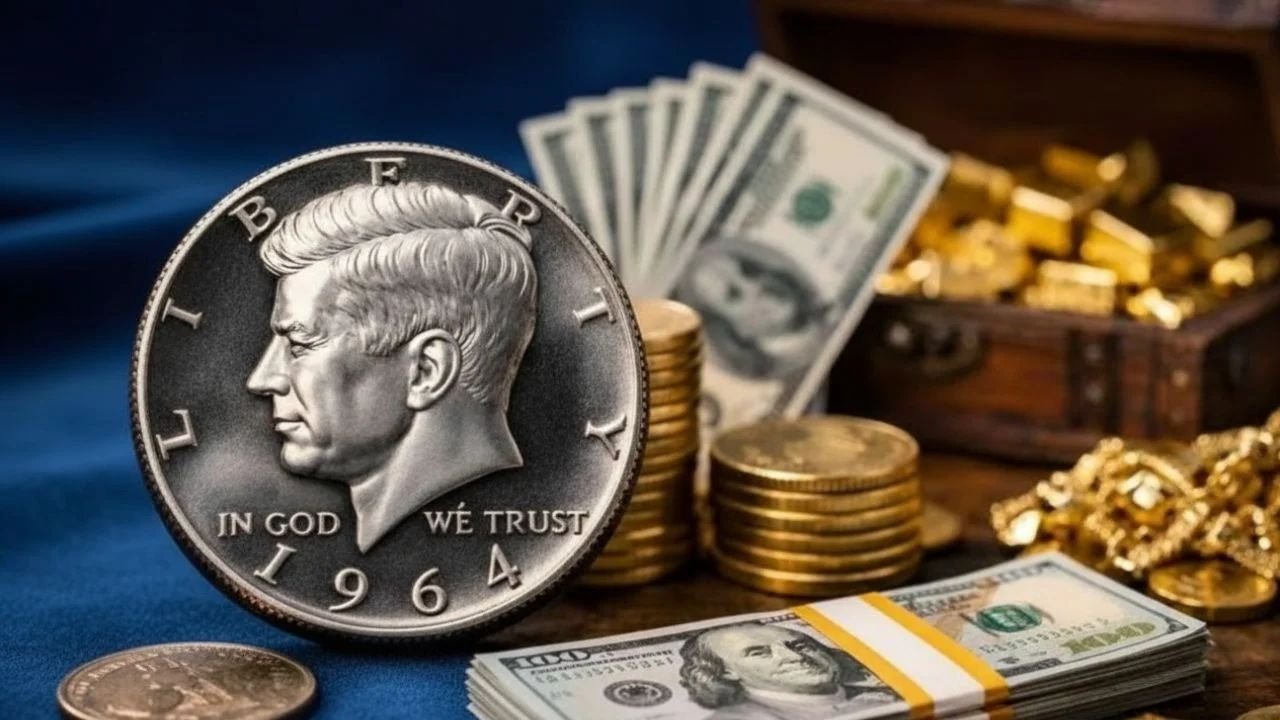
The Kennedy Half Dollar is more than pocket change—it’s a symbol of history, remembrance, and artistry. First minted in 1964 to honor President John F. Kennedy after his tragic assassination, this coin quickly became a cherished piece of Americana. While most are common, certain rare editions have become highly valuable to collectors, sometimes reaching astronomical prices at auction. This guide explores the coin’s history, notable varieties, and tips for aspiring collectors.
A Tribute in Silver and Clad
- Introduction: Approved by Congress just a month after Kennedy’s death, the coin replaced the Benjamin Franklin half dollar.
- Obverse Design: Portrait of JFK by Gilroy Roberts.
- Reverse Design: Presidential Seal by Frank Gasparro.
- Composition Changes:
- 1964: 90% silver, 10% copper
- 1965–1970: 40% silver outer layer
- 1971–present: copper-nickel clad
These shifts reflect economic changes and make the series a timeline of American coinage.
What Makes a Kennedy Half Dollar Valuable
Several factors determine rarity and market value:
- Rarity: Limited mintage and surviving specimens increase desirability.
- Condition (Grade): Coins in mint state or uncirculated condition command higher prices.
- Mintmark: “D” (Denver), “S” (San Francisco), or none (Philadelphia) can affect scarcity.
- Varieties & Errors: Examples include doubled dies, off-center strikes, and proof variations.
- Metal Content: Silver issues have intrinsic value alongside numismatic worth.
Key Varieties Worth Noting
- 1964 Accented Hair Proof: Early proof coins with sharply defined hair strands; very rare and highly collectible.
- 1970-D Kennedy Half Dollar: Produced only for Special Mint Sets; not circulated, making it a key date.
- Special Mint Set Coins (1965–1967): Unique finish differing from regular circulation and proofs; prized by specialists.
- Mint Errors: Off-center strikes or wrong planchets can transform ordinary coins into highly valuable collectibles.
Kennedy Half Dollar Reference Table
| Year | Mintmarks | Composition | Notes & Rarity |
|---|---|---|---|
| 1964 | P, D | 90% Silver | First silver issue; Accented Hair proof is key. |
| 1965–1970 | P, D, S | 40% Silver | 1970-D only in Mint Sets; S-mint proofs began in 1968. |
| 1971–present | P, D, S | Copper-Nickel Clad | Regular circulation; some NIFC issues. |
| 1976 (Bicentennial) | P, D, S | Copper-Nickel Clad / Silver Proof | Dual date 1776–1976; Independence Hall reverse. |
| 1998–present | S | 90% Silver Proof | Modern collector issues sold by U.S. Mint. |
Tips for New Collectors
- Start with circulating coins or affordable collector sets.
- Learn to identify mintmarks and distinguish proof vs. circulation strikes.
- Handle coins carefully by the edges to avoid wear.
- Store coins in non-PVC holders to maintain condition.
- Build a date and mintmark set to give your collection focus and value.
FAQs
Q1: Are all Kennedy Half Dollars silver?
A: No. Only 1964 coins are 90% silver, and 1965–1970 issues are 40% silver. Coins from 1971 onward are copper-nickel clad, except modern silver proofs.
Q2: Where is the mintmark located?
A: 1964–1967: reverse left of eagle’s claw; 1968–present: obverse below Kennedy’s neck.
Q3: What does NIFC mean?
A: “Not Intended for Circulation.” These coins were struck for annual mint sets and are less common in circulation.
Q4: Can I clean a valuable Kennedy Half Dollar?
A: Never clean collectible coins. Even gentle cleaning can damage the surface and reduce value.
Q5: How can I determine a coin’s value?
A: Use official guides like the Red Book and grading standards. For key coins, submit them to PCGS or NGC for authentication and grading.
Conclusion: A Lasting Legacy
The Kennedy Half Dollar is more than currency—it’s history in your hand. From the silver 1964 issues to rare proofs and mint set coins, this series offers collectors a rich mix of heritage, artistry, and value. Whether you seek financial gain or simply wish to preserve a piece of history, collecting Kennedy Half Dollars is a rewarding journey into America’s past.